.png)
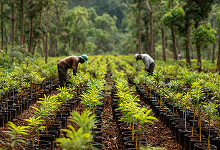
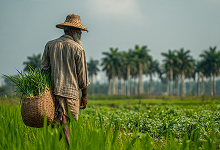
The project’s main objective is to enhance water conservation through the restoration of local water bodies (Chals and Khals) while also promoting sustainable livelihoods for tribal communities, especially women, by improving their access to clean water, agricultural support, and new economic opportunities.
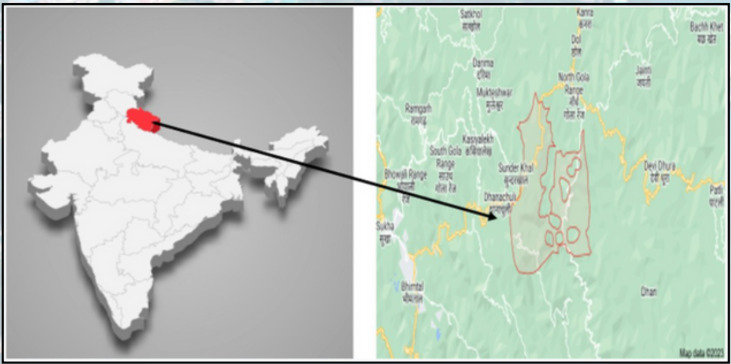
Forest Fires: In 2024, Uttarakhand witnessed a sharp rise in forest fires, with over 1,276 fire incidents across the state, damaging 1,771 hectares of forest land. The fires, primarily caused by dry conditions, affected soil fertility and increased the risk of landslides. The fires resulted in loss of biodiversity and posed serious risks to local livelihoods. In 2024–2025, Uttarakhand faced significant environmental challenges that intensified the need for sustainable solutions. The region experienced an escalation in forest fires, devastating flash floods, and persistent water scarcity, all of which exacerbated the existing ecological threats. Despite these challenges, AWF continued its focus on enhancing water availability, biodiversity conservation, and empowering local communities through sustainable practices.
In response to these severe climatic challenges, AWF has been actively engaged in addressing both immediate and long-term impacts:
Soil Erosion Mitigation: AWF’s soil conservation techniques, including the restoration of Chal-Khal systems, help prevent soil erosion and stabilize fragile terrain.
Water Conservation and Management: The flash floods further highlighted the region’s vulnerability to water stress. To address this, AWF expanded its water conservation efforts by constructing thousands of Chal-Khal structures, ensuring sustainable water availability for both agriculture and drinking purposes. These systems have helped recharge groundwater, mitigating the risk of water scarcity during dry periods.
Community Empowerment and Economic Resilience: AWF’s focus on community-based solutions has led to the training of local communities in sustainable practices such as beekeeping and handicrafts, providing alternative livelihood options and reducing pressure on the environment. These initiatives also contribute to economic resilience by diversifying income sources for local families, particularly women.
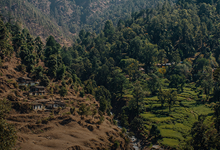
🌱 6 ha · Total Lands


.png)